The Digital Platform
A Note on Origins
When political violence colonises our homelands, life can change all at once. Places transform, conversations shift, relationships are altered, and priorities rearrange themselves. We begin questioning what once felt certain about our place in the world and who we are.
Some live these changes directly, within the streets and houses where violence unfolds. Others carry these changes from afar, witnessing our countries transform through distance, memory, and the quiet strain of separation. In such moments, something fundamental moves within us. Decisions are made that once seemed unimaginable. The past is reinterpreted, the future becomes uncertain, and the meaning of home and belonging is renegotiated. Some things break, other things disappear, while others take unexpected shape.
With time, however, these intimate human experiences risk being simplified, absorbed into broader narratives, or gradually forgotten. Official histories about political violence tend to privilege those who prevailed, while the voices of those who endured the everyday realities of violence remain secondary, often unheard and unaddressed. Those who lived through these transformations are frequently left alone with their memories, as if survival were sufficient.
The Digital Platform
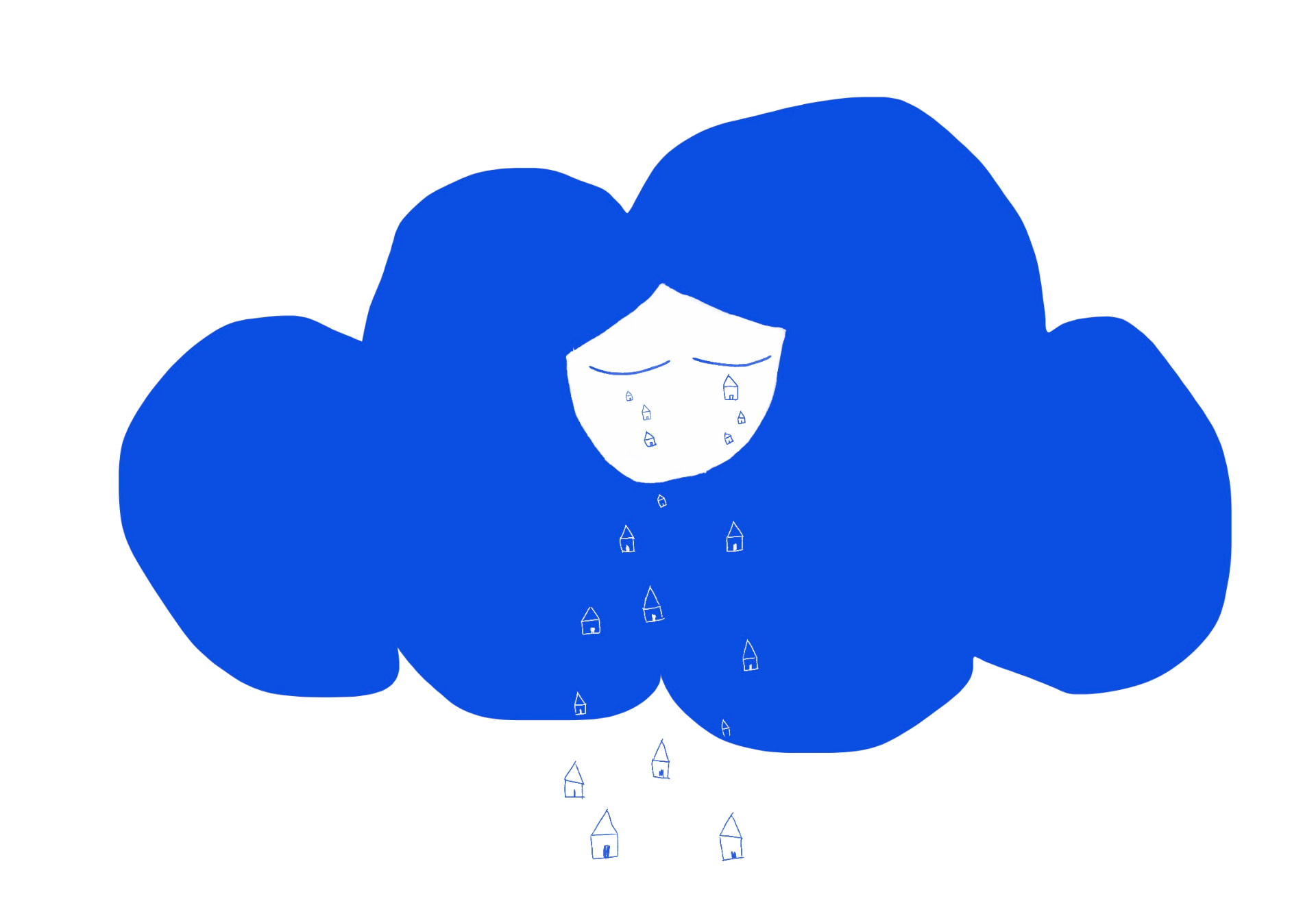
Qisashome is a bilingual digital archive gathering stories and creative works about home and what happens to our intimate relationship with it when political violence, in all its forms, alters our lives. It brings together experiences from across Southwest Asia and North Africa and its diaspora, preserving what people have lived, remembered, and carried from home as knowledge and as part of the region’s shared memory.
Qisashome does not document political events or complete life histories. It centres on specific moments of personal rupture and transformation: lived moments in which something shifts, revealing how violence enters everyday life and alters one’s relationship with home, self, place, and belonging.
What History Leaves Unsaid
Qisashome emerges from the belief that these experiences are a form of knowledge, one that should inform how societies understand recovery and reparation in the aftermath of political violence.
Qisashome emerges from the idea that bearing witness also means documenting what has been lived, seen, and endured. When an experience is documented, it enters the record. Once it is part of that record, it becomes harder to overlook, erase, or leave outside history.
Political violence is documented through events, dates, decisions, and consequences. But what it does to everyday life can remain unheard: what happens to a home, a street, a relationship, a body, a memory, or a sense of belonging.
Qisashome centres these personal experiences. It holds memories of homes that still exist but no longer feel the same, homes that have been loved or struggled with, left behind, destroyed, transformed, or become impossible to return to, and homes in which belonging may never have felt certain.
Through Words and Art
Memories of home are not preserved through words alone. Some experiences are carried in an image, a sound, an object, a photograph, or something made by hand.
Qisashome brings first-person stories together with photographs, drawings, paintings, poems, sounds, and other creative works. Each offers a different way of remembering, expressing, and preserving what was lived.
Words and art live alongside one another in the archive, holding different traces of home and what political violence has left behind.
The Meaning of the Name
Qisashome is a play on words that reflects the spirit of the project. Qisas (قصص) means stories in Arabic, while home reflects the place at the centre of these narratives and the relationships, memories, and meanings attached to it.
Spoken together, Qisashome also echoes قصصهم — “their stories” in Arabic, reinforcing a principle at the heart of the project: the stories belong to the people who lived them. Qisashome gives them a place to be told, held, and preserved.
A Shared Memory
One story holds one experience. Brought together, these stories and creative works begin to hold something larger.
In doing so, we build a collective memory of what political violence leaves behind in our homes, memories, bodies, and relationships, so that what was lived does not disappear from what is remembered.